
by Jen Mallia
Last updated: 6:00 PM ET, Mon February 23, 2026
The 2026 International Indigenous Tourism Conference opened last week in Edmonton with the Grand Entry: drumming and singing while powwow dancers in their regalia led dignitaries and VIPs onto the stage. It was an energetic and reverent way to set the tone for the rest of the conference, focused on building up Indigenous tourism in Canada and around the world.
TravelPulse Canada was thrilled to participate in the three-day conference, which featured keynote addresses, panels, breakout sessions and an artisans market, with a healthy dose of humour, thoughtful insights and Indigenous performers sprinkled throughout the busy days.
A recurrent theme was the need for Indigenous people to lead the way when it comes to their tourism experiences. In his welcome address, Grand Chief Joey Pete spoke of the importance of ”telling our own stories, not having them told for us.”
Indigenous tourist experiences are generally guided by deeply-held values which makes sharing them deeply personal. They are joyful and celebratory and a powerful bridge between cultures. Andrea Sandmaier, President of the Otipemisiwak Metis Government invited travellers to “Come, visit, listen.”
One of the major announcements was the introduction of the Indigenous-Led Tourism Partnership Toolkit. It was created by Destinations International (DI), in collaboration with the Indigenous Tourism Association of Canada (ITAC) and the American Indigenous Tourism Association (AIT), and is designed to guide destination organizations in building respectful, mutually beneficial relationships with Indigenous communities and advancing tourism systems owned and governed by Indigenous Peoples.
According to Destination Canada, Indigenous tourism is a booming industry, with 79 percent of Canadians indicating they are interested in exploring more. In Canada The Original Original (TOO) program grants its designation as a symbol of trust and Indigenous authenticity. The accreditation for tourism experiences with the TOO designation indicates a level of market-readiness and can be treated as an indication that the experience can be booked with confidence. Just within Alberta, 40 tourist offerings bear the TOO stamp of approval. The experiences that meet the export-ready criteria are marketed under Destination Original Indigenous Tourism, which runs global marketing campaigns.
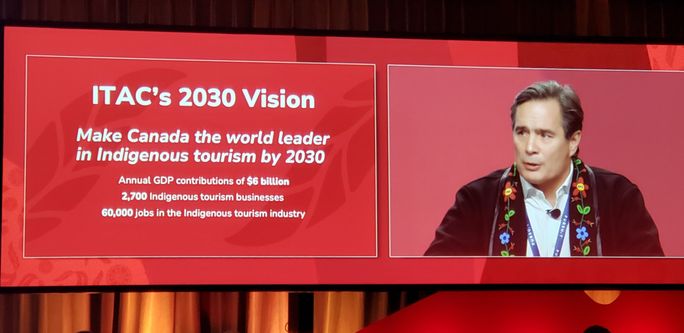
Keith Henry, President and CEO of ITAC presents ITAC's future-facing vision (Photo Credit: Jen Mallia/TravelPulse Canada)
The marketing is part of why Indigenous tourism is experiencing a boom in popularity. In 2023, more than 2,750 entrepreneurs and organizations were part of the sector, up from nearly 1,900 in 2021. The industry generated approximately $594 million in revenue and supported more than 30,000 jobs.
Marsha Walder, from Destination Canada (which markets Canadian tourism in foreign markets) is excited about the organization’s role in using its channels to amplify the stories of ITAC.
“This is the time to be really ambitious,” Walder told the crowd, saying it is a prime opportunity for Canada to present itself as a standalone destination, and not just as an add-on to a trip to the U.S. or part of a “three nation vacation.”
The importance of investing in Indigenous tourism was also stressed, with signed memoranda of understanding and long-term investments rather than one-off grants being key, as well as funding designed to create self-sustained economic success. Explore Edmonton CEO Traci Bednard explained that the Edmonton tourism organization have long-term MOUs with Indigenous Tourism Alberta, rather than working together on an ad-hoc basis, which better enables long range plans. “Intent without investment is only symbolic,” Bednard said.
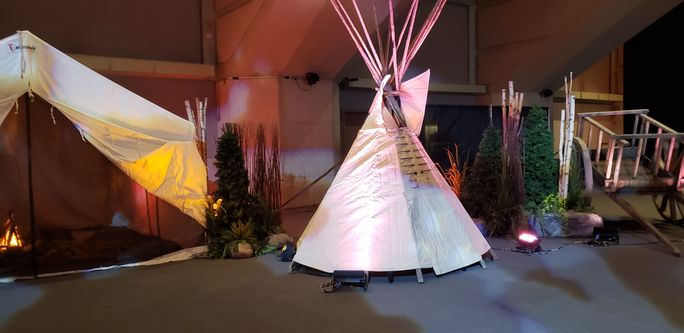
Setting the scene for Indigenous tourism offerings at IITC 2026 (Photo Credit: Jen Mallia/TravelPulse Canada)
The final day included an inspiring panel of youth, who spoke passionately about sharing their art, hospitality and their ties to the land. Mikayla Lafferty, from the Tin Wis resort in Tofino summed it nicely when asked what visitors can expect from taking part in Indigenous tourism experiences. “I hope the land makes their thoughts go quiet.”
The day was capped off with a fun-filled riff on a late-night talk show with several guests representing many of the experiences and organizations featured.
The event wrapped up with a gala awards evening honouring the best in Indigenous tourism, with singing and dancing entertainment to add a burst of colour to the glamorous night.
The next IITC will be held in Winnipeg, MB in February, 2027. Please keep your eye on indigenoustourism.ca/events for registration information in the coming months.
Topics From This Article to Explore


