
by Natasha Lair
Last updated: 6:20 PM ET, Fri February 20, 2026
Demand is booming, business is back, and hotel pipelines keep growing.
But behind the lobby, a quieter reality is reshaping the industry: Hospitality staffing isn’t just “tight” anymore, it’s profoundly different.
Amrita Bhalla, founder and managing director of A.B Consulting and former educator at the School of Hospitality and Tourism, Toronto Metropolitan University, specializes in hospitality workforce strategy, employer branding, and the evolving relationship between labour, technology, and guest experience.
“There is a fundamental shift in worker expectations and availability, not just a cyclical shortage,” Bhalla told TravelPulse Canada in a recent interview. The talent pool is shrinking, she said, even as guest expectations rise, and the old “revolving door” model of turnover and constant recruitment “no longer works.”
For travel advisors, that shift matters more than ever. Because staffing isn’t an internal hotel problem, it’s a client experience problem, a reputation problem, and increasingly, a product knowledge problem.
Based on the latest industry statistics Bhalla referenced, Canada’s accommodation and travel services workforce remains about 20% smaller than it was in 2019, even as demand has rebounded. Within hotels and broader hospitality, she estimates the sector is down roughly 30,000 roles compared to pre-pandemic levels, a gap that becomes harder to close as immigration restrictions tighten and the traditional pipeline for many back-of-house roles shrinks. In other words, fewer workers are available, while guest expectations rise.
The End of the Old Staffing Model
Bhalla points to two big forces that have changed the math: Post-pandemic career rethinking and policy headwinds that slow the talent pipeline.
“Everything really changed since COVID,” she said. “People saw this industry get ravaged… and realized hospitality is one option among many, not a default career path.”
In her words, hotels and hospitality services are still operating with a materially smaller workforce than before the pandemic, a gap that becomes harder to close when the supply of workers tightens.
Layer in an aging workforce heading into retirement and a younger generation prioritizing flexibility and purpose, and what emerges is what Bhalla describes as a new “worker reality” that leaders can’t ignore.
“Gen Z just grown up really differently than we did,” she said. “So, what can we do to close that gap?”
Employer Branding vs. More Hiring
Bhalla’s optimism comes from one clear pivot she sees emerging: Retention as strategy.
“In a tight labour market, retention is the new recruitment,” she said. Hotels that invest in culture and leadership tend to stabilize their teams, and stable teams create more consistent service.
This is where “employer branding” becomes more than a marketing phrase. It’s the lived experience of working at a property: Scheduling, training, recognition, advancement, and how managers show up day-to-day.
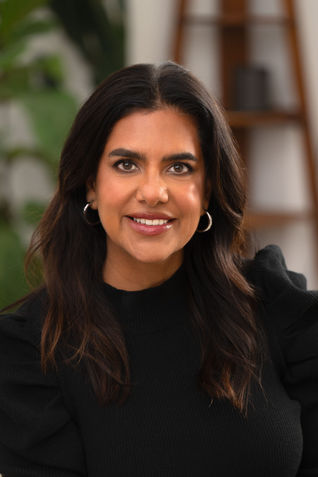 Amrita Bhalla (Photo Credit: Supplied)
Bhalla urges hospitality leaders to ask: Why are people leaving? Not as a one-off question, but as a system.
Exit interviews. Career pathways. Coaching and feedback. Recognition that goes beyond a staff party. And a culture where managers are visible and supportive, not trapped behind an office door.
“It really is going to take people excited about the industry and seeing those career paths and where it can take you,” she said, pointing to the global mobility that can come with major hotel brands and the broader operational exposure that can come with independent properties.
What Travel Advisors Can Do With This Insight
Advisors don’t control a hotel’s staffing plan, but can control the questions asked, the partners elevated, and how to set expectations with clients.
Bhalla suggests advisors should understand “the people dimension” of product, not just the amenities.
Here are smart, practical prompts to build into hotel vetting:
- “How are you training your team right now?”
Look for specifics: onboarding, service standards, mentoring, leadership development. - “How do you support managers?”
Burned-out managers create burned-out teams. A strong answer signals stability. - “What do people love about working here?”
Bhalla recommends asking GMs and leadership directly, and listening for authenticity over polish. - “What are you doing to improve service consistency?”
A good property will acknowledge pressure points and show a plan.
And use reviews strategically. Bhalla told TravelPulse Canada she’ll often pull critical reviews into training decks to identify patterns and fix root causes. For advisors, reviews can reveal whether a property’s issues are occasional hiccups or persistent symptoms of understaffing.
The Guest Experience Link
Understaffing doesn’t just mean longer waits at check-in. It can show up as “inconsistent service that immediately affects satisfaction scores and reviews,” Bhalla said — and that affects everything from repeat bookings to how confidently an advisor can recommend the property again.
But she also sees opportunity, especially for hotels willing to evolve. The “24/7 grind” reputation is shifting toward flexibility, including creative scheduling models that make roles workable for people with family obligations.
One example: Split shifts, where an employee can step away for school pickup and return later, a small operational tweak that can make a big retention difference.
Where AI fits — Without Losing the Human
Bhalla is bullish on technology, with a clear condition: AI should remove friction, not remove hospitality.
“I think there’s tremendous opportunity for AI to allow that human connection to really, truly flourish more without that admin,” she said.
In practice, she sees the biggest wins in automating scheduling, inventory, and routine guest requests, freeing teams to do what advisors (and clients) value most: Create memorable moments.
“We both know the cornerstones of this industry are warm smiles, remembering special moments,” she said. “Luxury is really about time, connection and experiences.”
The Optimistic Takeaway
This isn’t a story about service standards slipping. It’s about the industry recalibrating, and the hotels that adapt fastest will become the easiest ones for advisors to sell.
Bhalla’s advice to operators is simple, but not easy: Accept that the old model is gone, invest in leadership, build cultures people want to belong to, and use technology to give staff more time for human moments.
For advisors, the opportunity is just as clear: Ask questions, track service patterns, and steer clients toward properties that build teams rather than burn them out.
Topics From This Article to Explore


