Israel’s tourism industry was flourishing in the first nine months of 2023, as TravelPulse Canada discovered on a February visit.
In Tel Aviv, Jerusalem and the resorts of the Dead Sea regions, cultural and religious sites were packed with groups of travellers and the Mediterranean beaches were filled with visitors and locals alike.
As the year went on, the Israel Ministry of Tourism reported that reservations for the fall and winter period were very strong, driving the Israeli tourism industry toward record, pre-COVID levels.
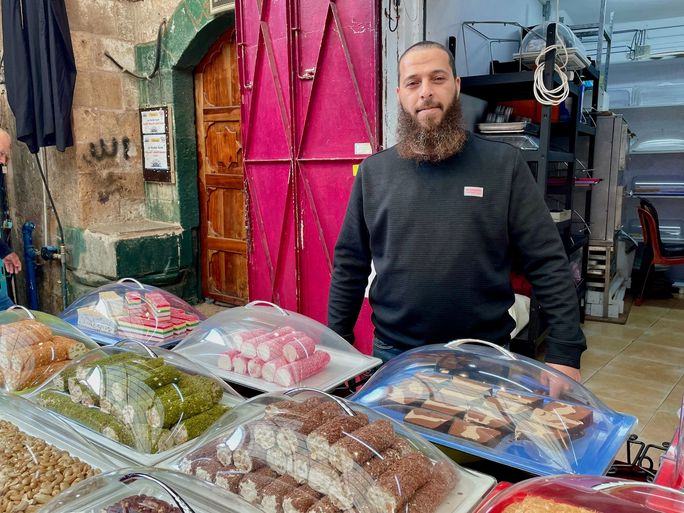
Better times: TravelPulse Canada visited a market in Acre earlier this year. (Photo Credit: Bruce Parkinson)
All this changed on October 7 when thousands of Hamas terrorists murdered some 1,400 men, women and children and kidnapped over 200 people, most of whom remain as hostages.
Israel tourism has a history of remarkable resilience, bouncing back over the years from a series of disruptive events. For now, tourism is on pause, but one day we will be able to return to one of the world’s most impactful, historical and culturally rich destinations.
Israel’s tourism industry has shifted since October 7, joining an unprecedented national war effort along with hundreds of thousands of civilian volunteers to assist bereaved, traumatized and displaced families.
The Israel Ministry of Tourism, in partnership with the Israel Hotels Association and in cooperation with the National Emergency Management Authority, has assumed responsibility for absorbing evacuees from areas under missile attack into hotels and youth hostels in the center of the country.
The ministry has sourced tens of thousands of guest rooms, matched with families by their local authority according to their needs. The state-funded accommodation includes full board.
The Israel Tour Operators Association is offering tours for evacuees staying in hotels, to offer them some respite. The association’s main efforts will be targeted to “the day after,” encouraging incoming tourism to the region, helping rebuild tourism enterprises and adapting the tourism product in the Western Negev for tourist groups.
The Israel Association of Travel Agencies and Consultants mobilized immediately on hearing about the horrific events on October 7. Working around the clock, members of the association ensured the safe return of Israelis on rescue flights, helped with flight solutions for reservists called up to enlist, families of the victims and all citizens who wanted to return to Israel after hundreds of flight cancellations.
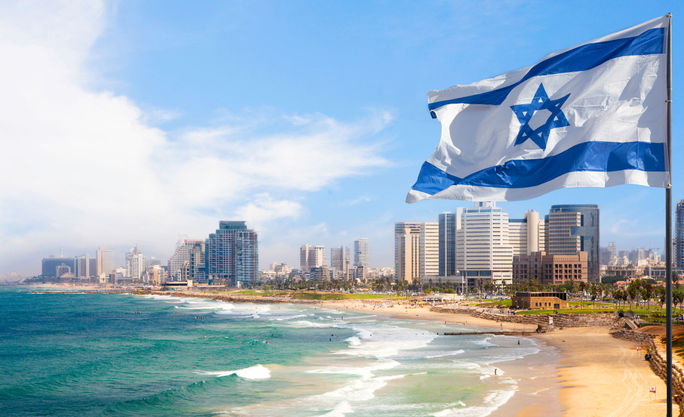
Tel Aviv's Mediterranean beaches were packed with tourists until the October 7 attack. (Photo Credit: stellalevi/E+)
Many other groups, from airlines to airports, tour guides to city tourism offices, are assisting in a variety of ways, including helping to evacuate people from areas under fire and offering activities and tours for displaced citizens.
“The tourism industry will continue to make its contribution to the war effort, helping citizens and soldiers wherever possible and whenever needed,” the Israeli Ministry of Tourism says in a statment.
“These are, without doubt, difficult and challenging times for the people of Israel in general and the tourism industry in particular. Our spirit is strong, we are united in our will to defeat a cruel enemy and we pray for better times. We thank you for your understanding and support and we look forward to working together again in the near future.”
Topics From This Article to Explore


