A recent wildlife expedition in Ladakh, North India is offering travel advisors a clearer (and more complicated) picture of what clients can expect in the Himalayas as climate change accelerates.
Operated by Legend Safaris, the February–March 2026 Snow Leopard, Eurasian Lynx and Pallas’s Cat expedition delivered rare sightings and once-in-a-lifetime encounters. But it also revealed a stark reality: the landscapes and the wildlife experiences tied to them are changing.
Less Snow, Different Safaris
According to the tour operator, Ladakh’s peak winter months bring heavy snowfall, creating ideal conditions for tracking elusive species like the snow leopard. This year, that wasn’t the case.
“Traditionally, January and February bring heavy snowfall to Ladakh. However, during this expedition, parts of the region experienced little to no snowfall,” Paul Tully, Business Development and Sales, Legend Safaris Travel & Tours, told TravelPulse Canada.
That shift is more than cosmetic. According to the World Wildlife Fund, the Himalayas are among the most climate-sensitive regions on earth, warming at an accelerated rate. Often referred to as the “Third Pole,” the region plays a critical role in global environmental stability.
For advisors selling bucket-list wildlife trips, that warming trend is starting to reshape expectations on the ground.
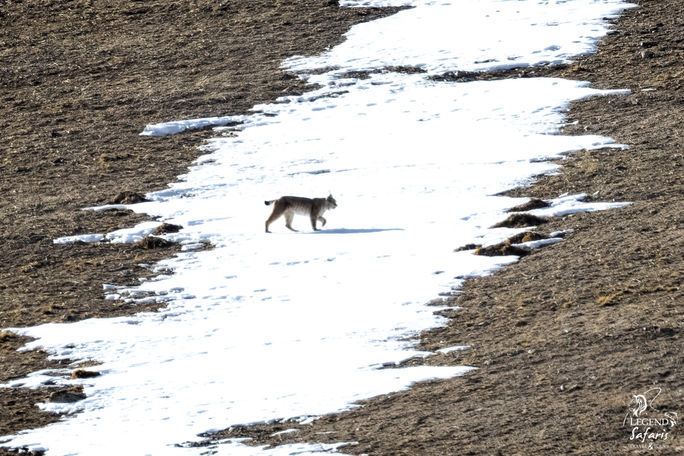
As snow cover diminishes, animals are adapting. (Photo Credit: Pravir Patel)
Wildlife Moving Higher—and Harder to Find
As snow cover diminishes, animals are adapting, often in ways that make them more difficult to spot.
Species such as the snow leopard and Eurasian lynx are being pushed higher into the mountains in search of colder conditions. The Snow Leopard Trust has also noted changes in behaviour tied to shrinking habitats.
For expedition leader Pravir Patel, that translated into a different kind of experience for travellers.
“This did affect our photographic opportunities,” explains Patel for Legend Safaris. “Many of our subjects were at considerable distances, with the exception of one Snow Leopard encounter—arguably the closest I’ve ever experienced.
“Nevertheless, we observed some incredibly rare behaviours. Capturing these moments was challenging due to lighting and distance, but they are sightings we will remember for a lifetime.”
In other words: fewer easy sightings, but potentially more meaningful ones.
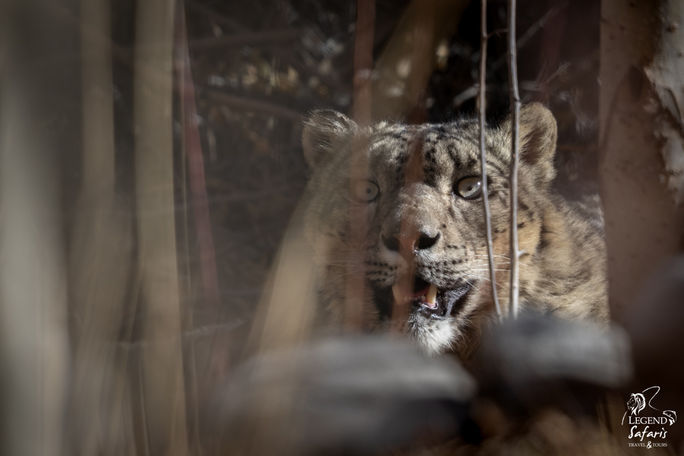
Species such as the snow leopard and Eurasian lynx are being pushed higher into the mountains. (Photo Credit: Privar Patel)
A Different Kind of Value Proposition
Despite the challenges, the expedition still delivered strong results:
* Snow leopard: 3 sightings (4 individuals), including a rare close encounter and a mating pair
* Eurasian lynx: 5 sightings (7 individuals), including a mother with young
* Pallas’s cat: 4 sightings, including hunting behaviour
* Additional species: Tibetan wolves, red foxes, blue sheep, wild yak and more
For advisors, this signals a shift in how these trips may need to be positioned.
It’s no longer just about guaranteed sightings or perfect photography conditions—it’s about access to fragile ecosystems, expert-guided interpretation, and witnessing wildlife behaviour in a rapidly changing environment.
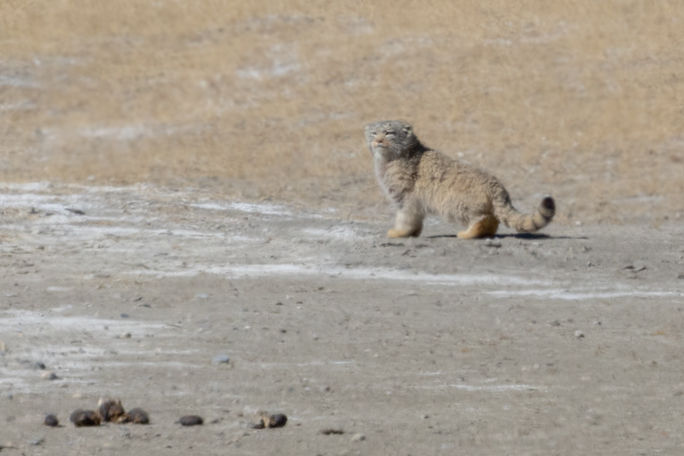
Fewer easy sightings, but potentially more meaningful ones. (Photo Credit: Pravir Patel)
Why This Matters for Canadian Advisors
Demand for experiential and wildlife-driven travel remains strong among Canadian clients, particularly for bucket-list destinations. But as climate impacts become more visible, expectations will need to be managed more carefully.
The Himalayas, especially regions like Ladakh, have long been sold on dramatic snowy landscapes and relatively predictable wildlife tracking conditions.
The Tibetan Plateau, home to more than half of the world’s remaining snow leopards, has warmed by approximately 3°C over the past two decades, according to expedition materials. The implications are far-reaching: glacial retreat, shifting water systems and long-term biodiversity loss.
This introduces both risk and opportunity.
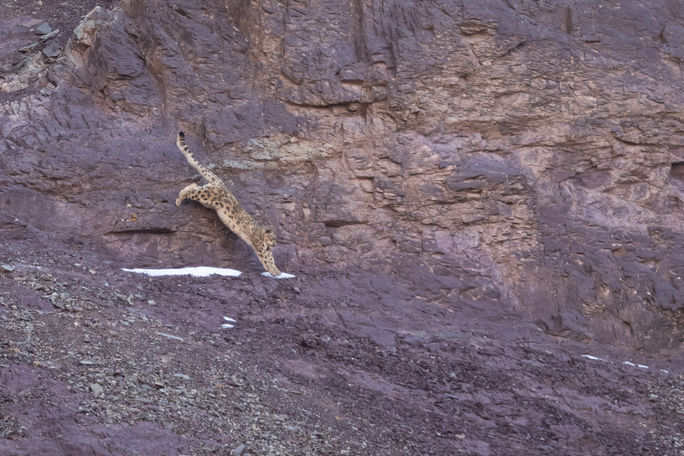
Despite the challenges, the expedition still delivered strong results. (Photo Credit: Pravir Patel)
Sustainability Moves to the Forefront
Operators are increasingly framing these trips through a sustainability lens; not as an add-on, but as a necessity.
“It is increasingly clear that as the climate evolves in Ladakh and the greater Himalayan region, so too must the tourism industry,” the company said.
“Sustainable tourism is essential—not only to preserve these fragile ecosystems, but also to support local communities, guides, and conservation efforts.”
For advisors, that message is likely to resonate with clients who are becoming more conscious of their impact.
The Himalayas aren’t disappearing as a travel experience, but they are changing.
Selling these journeys now requires deeper knowledge and honest conversations about what clients will actually see.
Topics From This Article to Explore


