
by Natasha Lair
Last updated: 11:50 AM ET, Thu June 18, 2026
From whale, puffin, and iceberg encounters to watching the first rays of sunlight touch North American soil, Newfoundland offers experiences difficult to find anywhere else in Canada. And as Canadians look closer to home for summer travel, the province continues to stand out as one of the country's most rewarding destinations.
Newfoundland and Labrador Tourism was named Best Tourism Board – Domestic at the 2026 TravelPulse Canada Readers' Choice Awards, which are voted on by Canadian travel advisors.
RELATED: Back to the Rock: Flair Returns to St. John’s with $159 Toronto Flights
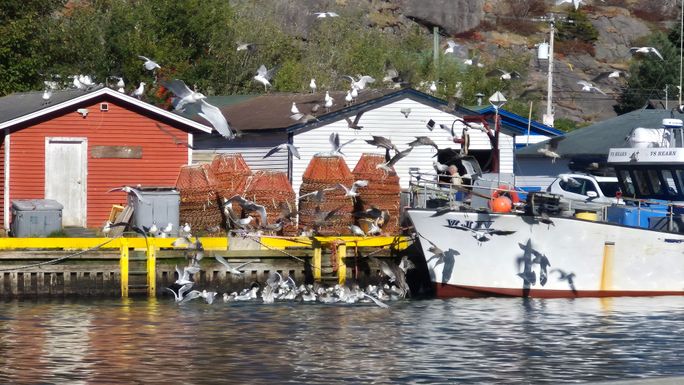
Winding coastal roads reveal fishing villages and the ocean seems to appear around every bend. (Photo Credit: Jason Summers)
Newfoundland 101
Before setting off in search of whales, puffins and icebergs, there are a few things visitors should know.
It's not "New Found Land."
It's said much faster, sounding more like "New-f'n-land" or "Newfinland."
"Newfoundlander" is the safe bet.
While some residents use the term "Newfie,” not everyone loves it.
"Whaddayat?" isn't a trick question.
It's a common greeting that roughly translates to "How are you?"
Newfoundland's sense of humour also extends to its map.
Road trips often involve passing through communities with names such as Dildo, Heart's Content, Heart's Desire, Heart's Delight-Islington, Come By Chance, Blow Me Down, Leading Tickles and Little Burnt Bay.
Travellers may also notice that accents vary significantly from one community to another, reflecting generations of Irish, English and Indigenous influences across the province.
Warning: You may leave with a stronger urge to move closer to the ocean.
RELATED: Rock & Roll Meets Newfoundland Hospitality at the JAG Hotel
Here are four reasons Newfoundland deserves a spot on every traveller's summer wish list:
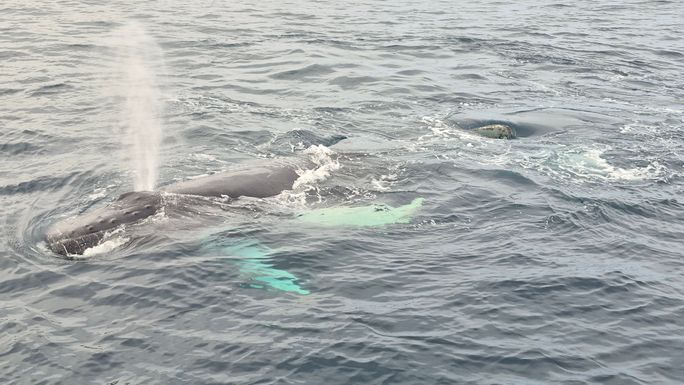
Gatherall's Puffin and Whale Watch (Photo Credit: Jason Summers)
Icebergs, Whales and Puffins
While peak iceberg season typically occurs in late spring and early summer, icebergs can often be spotted along Newfoundland and Labrador's coastline well into the season. Iceberg Alley stretches from Labrador to Newfoundland's southeast coast, with viewing opportunities from locations including St. John's, Cape Spear, Bay Bulls, Bonavista and Twillingate.
IcebergFinder.com currently reports 34 icebergs drifting off Newfoundland and Labrador's shores (this number changes frequently).
Wildlife is one of the main reasons travellers flock to Newfoundland each summer. Its waters attract some of the largest concentrations of humpback whales in the world during the summer months, and sightings are common from June through August.
RELATED: How 'Come From Away' Is Driving Tourism in Newfoundland
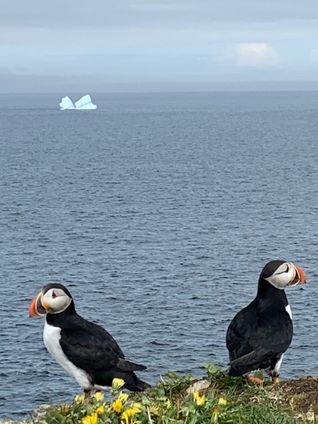 Puffins perch along Newfoundland's coastline as an iceberg drifts offshore in the distance. (Photo Credit: Natasha Lair)
Gatherall's Puffin and Whale Watch combines two of Newfoundland's most iconic wildlife experiences in a single excursion. During a tour last summer, a mother whale and her calf surfaced repeatedly near the vessel, creating one of those rare travel moments that photos struggle to capture.
Equally impressive were the thousands of puffins nesting on nearby islands. Watching the small seabirds dart across the water and return to their nesting grounds felt like stepping into a nature documentary.
While humpback whales are often the stars of the show, many excursions also encounter seals, dolphins and a variety of seabirds. Few places in Canada offer the opportunity to spot whales, puffins and icebergs during the same trip.

The first rays of sunlight touch North American soil at Cape Spear. (Photo Credit: Jason Summers)
Chasing the First Sunrise in North America
An early morning visit to Cape Spear offers one of Canada's most memorable sunrise experiences.
At 4:30 a.m., Newfoundland feels almost silent. By shortly after 5 a.m. in summer, the first rays of sunlight begin illuminating the coastline. Standing at Cape Spear Lighthouse National Historic Site before dawn makes the early wake-up call worthwhile.
As the easternmost point in North America, Cape Spear is the first place on the continent to greet the sun each day. During the summer months, sunrise arrives shortly after 5 a.m., drawing photographers and travellers hoping to witness the moment firsthand.
Summer days feel remarkably long in Newfoundland. In June and July, daylight begins before most Canadians are awake and lingers well into the evening.
Bring a warm jacket. Even in July, a sunny morning can quickly turn cool and foggy along the coast. Layers aren't optional in Newfoundland.
RELATED: What It’s Like to Stay at Fogo Island Inn
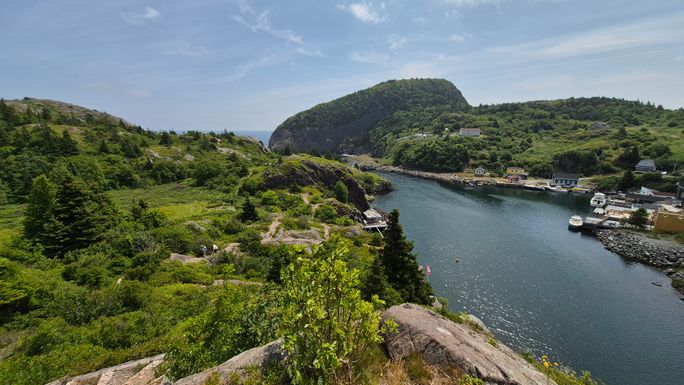
The East Coast Trail offers some of the most spectacular coastal hiking in the country. (Photo Credit: Jason Summers)
One Trail, Endless Ocean Views
The East Coast Trail offers some of the most spectacular coastal hiking in the country. Towering cliffs, crashing waves and panoramic views make this one of Canada's most rewarding hiking experiences.
The trail system spans more than 300 kilometres along the Avalon Peninsula with routes suitable for both casual walkers and experienced hikers.
What makes the East Coast Trail particularly appealing is its accessibility. Visitors based in St. John's can easily tackle shorter sections without committing to a multi-day trek. There are stretches of trail where the loudest sounds are wind, waves and seabirds; a rarity in much of North America.
The views rival many of Canada's better-known hiking destinations, but often with far fewer people.
RELATED: 'God Love 'Em:' Gander Pulls Together to Aid Stranded Passengers - Again

The Post Taphouse & Grill patio view competes with the food for attention. (Photo Credit: Jason Summers)
The Food Competes with the View
Few things are better than a meal overlooking the ocean.
A standout is The Post Taphouse & Grill in Torbay, just outside St. John's. With ocean views and a menu that highlights local ingredients and regional flavours, it offers a welcome place to refuel.
Housed on the site of a former post office, the restaurant remains a gathering place of a different kind today. Live music is a regular part of the experience, giving visitors a taste of Newfoundland's deeply woven music scene while overlooking the Atlantic.
The island's culinary scene has evolved into a destination attraction in its own right - and as the view competes with the food for attention, The Post Taphouse is a good example of why.
Newfoundland has a way of making travellers slow down and appreciate where they are, where winding coastal roads reveal fishing villages and the ocean seems to appear around every bend. And if, somewhere between Cape Spear and Come By Chance, the idea of living closer to the ocean starts to sound appealing, don't say you weren't warned.
Topics From This Article to Explore


