Financially, 2023 was an excellent year for Air Canada. After posting more than $10 billion in losses between 2020 and 2022, the carrier earned over $2 billion in profit in just the first three quarters of last year. Operationally, the airline is still seeing turbulence, however, as AC posted the worst on-time performance among the 10 biggest airlines in North America for the year.
Air Canada landed just 63% of its flights on time in 2023, scoring five percentage points below the second- and third-lowest ranked carriers, JetBlue Airways and Frontier Airlines. Canada's other major airline, WestJet, placed seventh in North America with 69% of its flights arriving within 15 minutes of scheduled arrival.
Delta Air Lines came first with 85% of its flights arriving on-time, followed by Alaska Airlines at 82%.

Air Canada president and CEO Michael Rousseau (Photo Credit: Air Canada Media License)
Last August, AC CEO Michael Rousseau told analysts on an earnings call that operational performance failed to meet expected levels. "We're spending a lot of time improving our on-time performance,'' he said.
The Montreal-based airline enjoyed high demand in 2023, as the post-pandemic travel surge continued. That meant full flights and high aircraft utilization, which is great for the bottom-line, but can lead to longer recovery time after a disruption.
The Canadian market has other challenges, including extreme weather and a shortage of air traffic controllers. In winter, runway snow clearing and airplane de-icing requirements can make it difficult for carriers here to match U.S. performance levels.
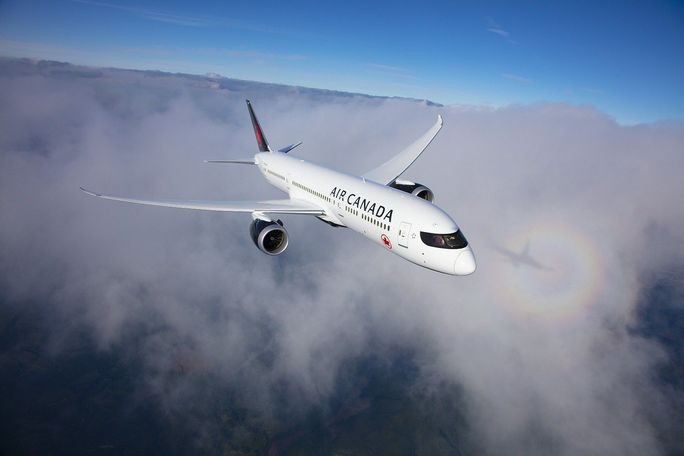
Air Canada is boosting capacity on many Asian routes from mid-December through end of summer 2024. (Photo Credit: Air Canada)
One bright spot is that weather over the holidays in most of Canada was mild and fairly calm. So there was no repeat of the terrible situation in December 2022, when thousands of pax saw their flights delayed or cancelled largely due to poor weather.
According to the Canadian Press, Air Canada took strong measures in anticipation of possible holiday disruptions. The carrier set aside six spare planes at its mainline operation and eight at regional carrier Jazz, in case they were needed. It also added extra time between flights to ease connections.
Topics From This Article to Explore


