U.S. airports are entering a new era of
heightened security screening, and for many international travelers, that means
a lot more than just pulling out a passport.
A new customs and
border policy that took effect on December 26 has expanded the federal
government’s ability to collect biometric information from non-U.S. citizens
entering or leaving the country. The change is part of a broader push by the Trump
administration to tighten immigration controls.
Under the new
system, travelers passing through U.S. airports will now have their faces
scanned and photographed as part of routine screening. Those images will be
matched against existing government records and stored for up to 75 years, according
to a Metro
report.
In some
situations, border officials can now go even further. The Department of
Homeland Security has the authority to request additional biometric data from
non-citizens, including fingerprints and even
DNA. This represents a significant expansion of what customs agents are
legally allowed to collect at ports of entry.
One of the
biggest changes is that the rule no longer makes exceptions for age.
Previously, children under 14 and adults over 79 were generally exempt from
biometric data collection. Those exceptions have now been removed, meaning
travelers of any age could be subject to these screenings.
The government
says the new rules are designed to streamline enforcement and discourage abuse
of the immigration system. In its newsroom
release, the administration said the policy is intended to “deter the
filing of frivolous claims and provide operational consistency.” It also added
that biometrics will “generally” not be taken unless someone is in “removal
proceedings” and has a pending case with the Executive Office for Immigration
Review.
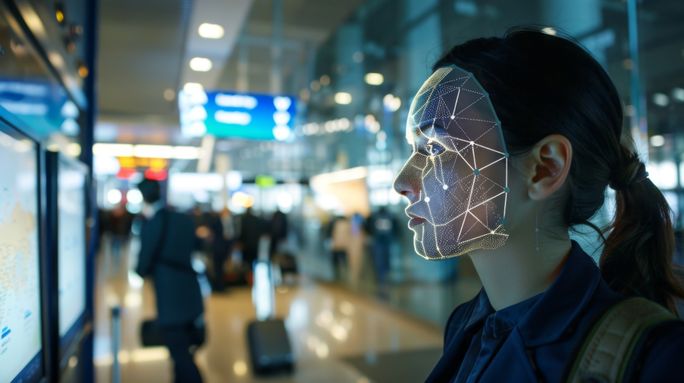
A fully biometric check-in process at the airport. (Photo Credit: Courtesy AdobeStock)
The expanded use
of biometric technology has raised red flags among civil rights advocates. A
2024 report from the U.S.
Commission on Civil Rights found that facial recognition software was more
likely to misidentify Black people and other ethnic minorities.
This policy shift
comes as part of a larger series of travel and immigration changes rolled out
by the Trump administration. The cost of the ESTA — the electronic
authorization required for travelers from visa-waiver countries — was recently
raised. At the same time, five new countries were added to a travel
ban set to take effect on January 1, 2026.
And biometric
scans aren’t the only thing border officials may be checking. New vetting
proposals would require travelers to provide up to five
years of social media history, along with phone numbers, email addresses
and even the names of family members.
In a proposal
filed by U.S. Customs and Border Protection, social media accounts would become
a mandatory part of applying for an ESTA. The agency cited Donald Trump’s
Executive Order 14161, which aims to “protect citizens from aliens who intend
to commit terrorist attacks, threaten our national security, espouse hateful
ideology, or otherwise exploit the immigration laws for malevolent purposes.”
If approved, the
proposal would require travelers from 42 countries to submit to much more invasive
probes into their personal information when visiting the U.S.
Topics From This Article to Explore


