
by Natasha Lair
Last updated: 12:15 PM ET, Fri December 19, 2025
It’s the travel risk few people want to say out loud, partly out of superstition, partly because just thinking about it can make skin crawl.
Bed bugs have become an unspoken anxiety, and as peak travel periods approach, the question many quietly ask remains the same: What are the odds, really?
“Once considered especially vulnerable to outbreaks, many properties, particularly in France, are now seen as leading examples of best practice,” Money Tourism reports.
A Hitchhiker Problem, Not a Cleanliness One
According to pest control experts and hospitality reporting cited by Breaking Travel News (BTN) and Forbes, one of the most persistent misconceptions about bed bugs is that they are linked to poor hygiene. In reality, bed bugs spread by hitching rides on luggage, clothing and personal belongings, not through unclean rooms.
There is no single statistic that definitively measures the likelihood of encountering bed bugs while travelling. As reported by pest management publications, incidents are underreported, misidentified or avoided altogether due to stigma, making reliable data difficult to compile.
Surveys referenced by Forbes suggest that roughly four in 10 travellers think about bed bugs when staying in hotels, yet confirmed encounters remain relatively infrequent.
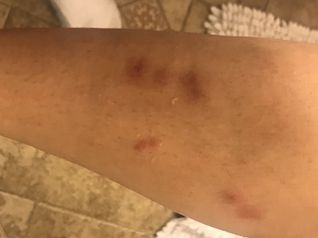 PHOTO: Bed bug bites photographed on Flores' body. (photo courtesy of My Bed Bug Lawyer)
Further complicating the matter, only a small percentage of travellers can accurately identify bed bugs, leading to both false alarms and missed cases, which can contribute to anxiety and online reviews that can have lasting reputational consequences for hotels.
Proactive Prevention and Certification
Historically, hotels managed bed bugs reactively, responding after a guest reported a problem. However, BTN reports that some hotels, particularly in the U.K. and Europe, are shifting toward proactive prevention models.
These include “bed bug-free” or preventive certifications, which signal that rooms are continuously monitored and protected rather than treated only after an incident occurs. The certifications often rely on non-chemical solutions and monitoring technologies.
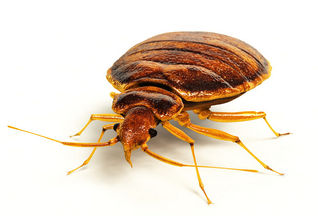 PHOTO: Bed bug. (photo via Flickr/British Pest Control Association)
“Shifting from a reactive model to prevention has been key to this progress,” says Martim Gois, CEO and Co-Founder of Valpas.
Valpas offers permanent, pesticide-free bed bug protection and certification for hotels. Its system deploys patented in-room devices that monitor and capture bed bugs before they can establish infestations. Hotels that implement the technology receive a Valpas Certification, a promise that the room is protected and certified bed bug safe.
“Just a few years ago, it wasn’t even a topic. But now, it's something we hear about more and more. Travelers today are aware — and rightly concerned — about the risk of bringing bed bugs home,” said Bruno Chiaruttini, GM of Marriott Rive Gauche in Paris.
“With such a global clientele, our guests inevitably travel through many hubs and can unknowingly carry pests with them. It's become our responsibility to ensure they don’t get into our rooms — or go home with our guests.”
As consumer-focused travel reporting has noted, a certification does not eliminate risk entirely, but it may indicate a more proactive approach compared to traditional, reactive pest control policies.
Chiaruttini added, “Our hotel is huge — 757 rooms. Maintaining consistent quality at this scale is a real challenge.
“Valpas helps us deliver a standard level of safety across every room. It’s easy for our staff to use, fully automated, and removes the need for manual inspections. We no longer have to check under mattresses or behind furniture. That saves time, prevents issues before they occur, and ultimately protects our revenue.”
While a certification doesn’t eliminate risk entirely, it signals a proactive approach compared to traditional reactive pest control policies.
The More You Know: How to Spot Bed Bugs
Bed bugs are small, oval-shaped insects measuring about five millimetres in length (roughly the size of an apple seed) and range in colour from light brown to dark red.
According to American Entomologist, about 34% of hotel guests now conduct manual bed bug checks upon arrival, reflecting growing awareness and concern.
Telltale signs include:
- Blood stains: small dark spots on sheets, mattress, or pillowcases
- Faecal matter: tiny black or brown specks along mattress seams or behind headboards
- Shed skins: papery exoskeletons left as bed bugs grow
- Live bed bugs: small, reddish-brown insects crawling on the mattress, box spring, or furniture
Practical prevention tips:
- Inspect mattress seams, headboards, and bed frames before unpacking
- Keep luggage off beds and floors; use luggage racks
- Wash and dry clothing at high heat (above 55°C / 131°F) immediately after returning home
- Store suitcases away from beds during stays
- Bed bugs dislike certain scents such as lavender, peppermint, tea tree, and eucalyptus, which can act as a low-risk deterrent
The Takeaway
The takeaway isn’t alarm, it’s awareness. No hotel can promise absolute immunity, but transparency, proactive prevention, and informed traveller habits are the most effective ways to reduce risk.
While encounters remain rare, the emotional and financial consequences of even a single incident, from ruined luggage and clothing to lingering anxiety, underscore why the hospitality industry is slowly addressing a topic it once preferred to keep silent.
Topics From This Article to Explore


