
by Bert Archer
Last updated: 7:55 AM ET, Thu June 26, 2025
There’s a new bar in Kathmandu
Kathmandu, the capital, largest, and really only city in Nepal, is for North American and European tourists mostly a layover, a place to stay for a night or two on your way to or from your trek to Everest Base Camp or elsewhere in Annapurna.
For these tourists, Thamel is the one-stop shop for mo:mos, large bottles of Gurkha beer, and bars where Nepalese bands play covers of American classic rock. It’s a place where they can meet and drink together, swap Himalayan stories and generally have a great night.
(Photo Credit: Bert Archer)
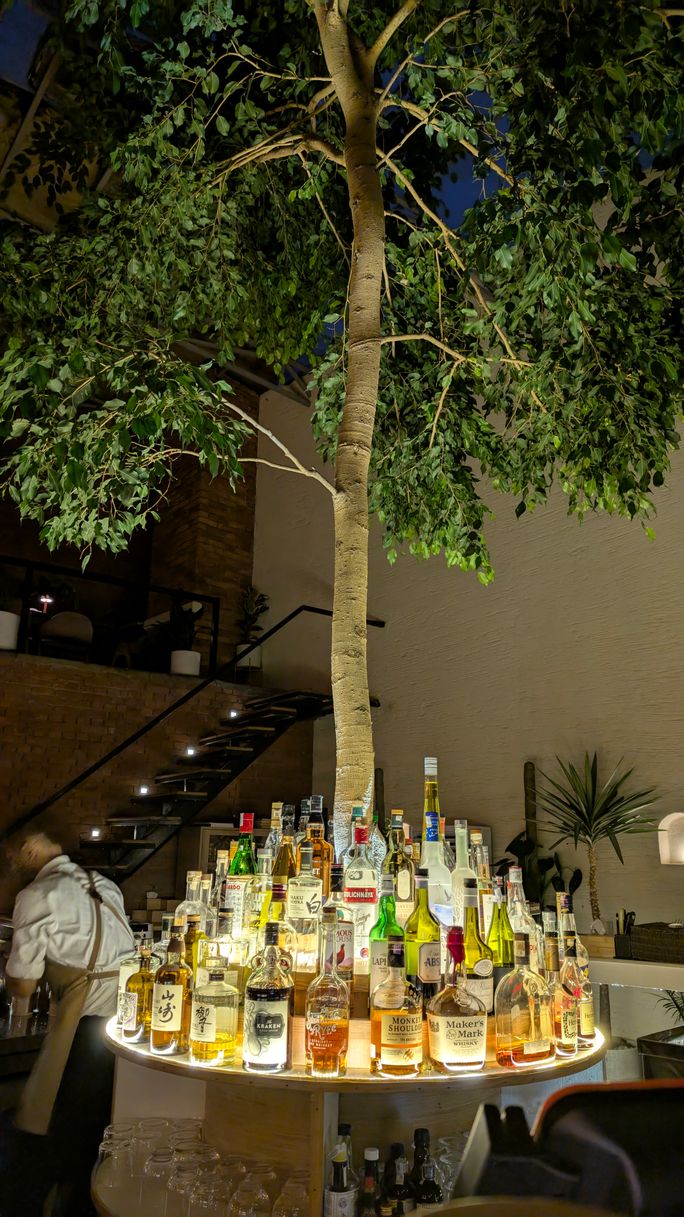
There is also one cocktail bar here, named for a Beatles song, natch (Blackbird). It’s got a drinks menu, but the bartenders excel at putting together drinks for customers based on their tastes (sweet, fruity, bitter, sour, boozy, not-so-boozy). It’s the brainchild of Santi, the Nepal-born, Connecticut-raised owner who is part of a quartet of bar owners who have, just in the last few years, begun to bring cocktail culture to Kathmandu.
Blackbird is an odd bird in Thamel, and the night I was there, there were no trekkers, just locals who could afford, or at least justify, drink prices that, while reasonable for a Canadian, are roughly three days wages for a local labourer. (Despite heavy traffic in the high-end trekking sector, Nepal remains a desperately poor nation; one reason to spread your money around if you visit.)
Odder still, though, is the fact that the other three cocktail bars in Kathmandu are far from the tourist zone, clearly aimed at a Nepalese audience: Unlike every other Asian cocktail scene I can think of, not one is a hotel bar.
(Photo Credit: Bert Archer)
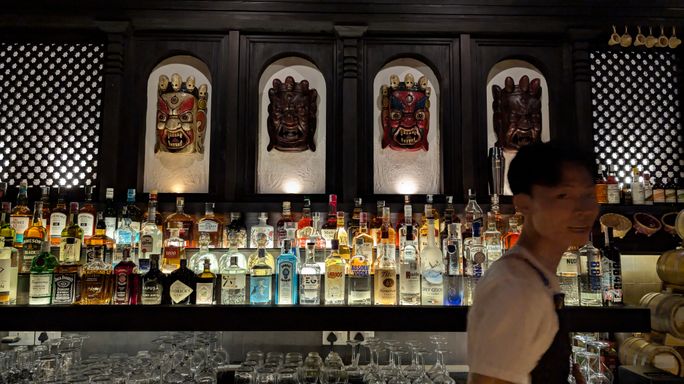
The newest of them, which had a soft opening on May 29, is doubling down on the local angle, featuring many local spirits, and offering cocktails that lean heavily on local herbs and garnishes. Newly built, with a striking outdoor spiral staircase made of red granite, The Old House is built in a traditional style, with carved wood beams and accents, gentle lighting, and an extremely attentive staff.
Traditional masks hang behind the bar, and each cocktail on the menu comes with a paragraph-long story about its ingredients and the cultural relevance it’s trying to achieve. For a nation stuck between the two most populous nations on earth, culturally influenced by both but not kowtowing to either, known by tourists for Everest and trekking in Annapurna and little else. A bar that both manages to be an education, a watering hole, and not explicitly aimed at tourists (at least not obviously), is a real find and of cultural value on its own, quite aside from its yummy drinks.
The star of the show is the very first drink on the menu, the mitho amilo, local vodka based with tomato puree, lime, and roasted jimbu, a Himalayan herb tasting of garlic and onion. The name of the drink translates roughly to “pleasantly sour” and despite its ingredients, it tastes of neither garlic, onion, nor tomato, and is not even a little bit red. The magic of mixology.
(Photo Credit: Bert Archer)
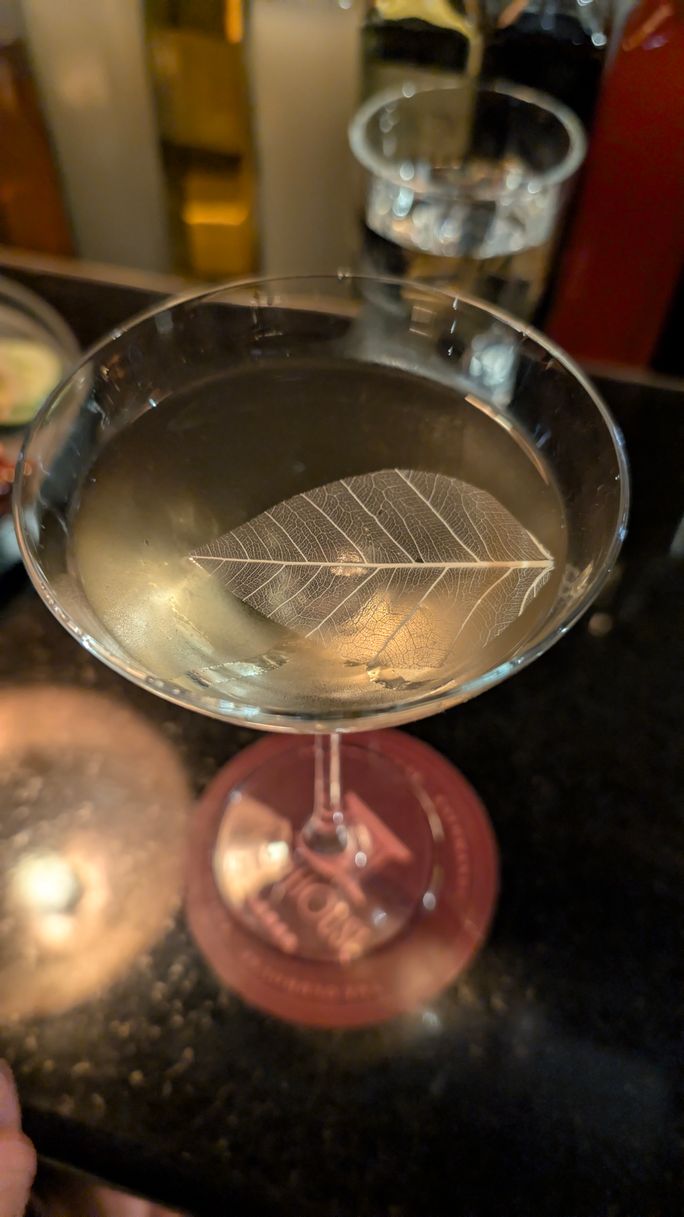
The martini, made with Himalayan juniper and gorgeously garnished with a skeleton leaf, is too sweet by half, but according to my bartender, is still too dry for the average Nepali palate. But as with other things in life, its prettiness goes a long way towards making up for its other deficiencies.
The cocktail scene is just one aspect of Kathmandu culture – alongside its hundreds of cafes and numerous decent-to-really-pretty-good patisseries – that show the city for the evolving cosmopolitan capital it is struggling to be. But most of the cash still seems to be soaked up by Thamel, where the trekkers carouse. All it really needs is a couple of breakthrough destination spots, a restaurant or bar on the 50 Best list, for instance. Michelin’s currency seems to be taking a bit of a dive (its weird missteps in Quebec is only one symptom), so we can’t rely on them.
So maybe let's just rely on ourselves, and our clients, to spend a little more time in Kathmandu. It’s more than a layover, more than a spot to wind down and let off steam before heading back home. It’s poor, and a little bit broken down, but you know what often fixes that?
Tourist dollars.
The hotels can be excellent and are mostly extremely inexpensive. Personal experience tells me to stay away from the five stars and go for the traditional threes and fours. The one I stayed in, called Traditional Comfort, was better than the five star I stayed in for a couple of nights earlier. At between $100 and $150 a night, it’s expensive by Nepali standards (though not so much by Canadian standards), but with its gorgeous rooftops (like Athens, every hotel, bar, and restaurant has a rooftop in this city), its remarkably friendly staff (be sure to look out for Santosh!), and decent food and excellent location, it’s one of dozens of bargains from which to discover this complex but rewarding city.
Topics From This Article to Explore


