
by Natasha Lair
Last updated: 12:45 PM ET, Fri March 20, 2026
For many Canadians, the most stressful part of travel isn’t the flight - it’s the airport.
In an era of packed terminals and long waits, the smartest travel hack might not be booking earlier or packing lighter; it could be choosing a different airport altogether.
As congestion, delays and passenger volumes continue to strain Canada’s largest hubs, a growing number of travellers are looking elsewhere - and finding that smaller regional airports offer a noticeably smoother alternative.
A Better Way to Travel?
For travellers accustomed to navigating major airports, the difference can be immediate. Shorter security lines, faster check-in and a more relaxed atmosphere can significantly reduce the friction that now defines much of the travel experience.
“Regional airports often provide complementary airline service to larger ‘hub’ airports,” said Chris Wood, Director of the Region of Waterloo International Airport (YKF).
“In Canada, especially in the Greater Toronto Area, passengers are used to jumping in their cars and driving to the large international airport and usually going non-stop to their final destination. As much as passengers bemoan the size and the hustle and bustle of the large airport, they begrudgingly do it because they can get to where they want with one take-off and one landing."

Region of Waterloo International Airport (YKF). (Photo Credit: Supplied)
RELATED: Air Transat Launches Non-Stop Winter Sun Routes From Quebec City, Windsor & the Maritimes
But across the country, smaller airports like Billy Bishop Toronto City Airport (YTZ), St. John’s International Airport (YYT), Abbotsford International Airport (YXX), Halifax Stanfield International Airport (YHZ) and John C. Munro Hamilton International Airport (YHM) have built loyal followings among travellers who prioritize ease, efficiency and proximity.
And in some cases, they’re becoming even more competitive.
The recent introduction of U.S. pre-clearance at Billy Bishop allows travellers to clear U.S. customs before departure. The move enhances convenience while signalling growing investment in regional gateways and their role in Canada’s broader air travel network.
What the Data Shows
Passenger sentiment and the data are increasingly aligned.
Recent airport satisfaction studies, including the J.D. Power North America Airport Satisfaction Study, consistently show that small- and mid-sized airports outperform large hubs in overall passenger experience, particularly when it comes to wait times, crowding and ease of navigation.
The 2025 ASQ Customer Experience Awards found that passenger satisfaction continues to rise even as travel demand increases. Based on hundreds of thousands of real-time surveys, Canadian airports, including Halifax Stanfield (YHZ) and Québec City Jean Lesage (YQB), were among those recognized, underscoring the strength of regional gateways.
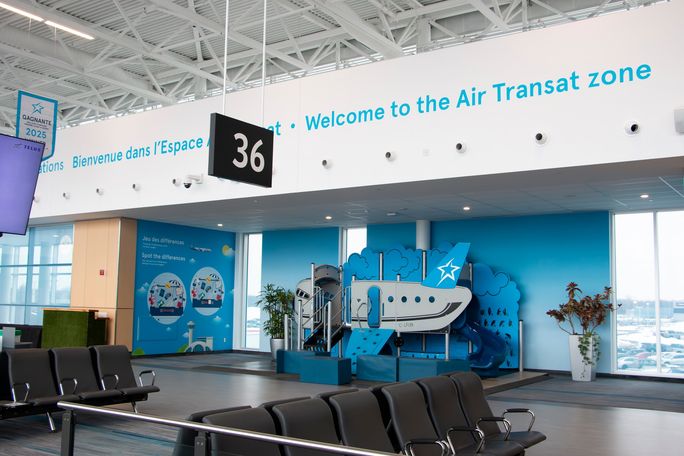
Québec City Jean Lesage International Airport (Photo Credit: Facebook)
RELATED: Passengers Have Spoken: These Are 2025’s Best Airports for Customer Experience
Debunking the Myths
One of the most common misconceptions is that regional airports lack route options. In reality, airlines, particularly low-cost and leisure carriers, have expanded service from secondary airports to vacation markets in Mexico, the Caribbean and the U.S.
Another myth is that flying from a major airport is always cheaper. While base fares can sometimes be lower, travellers often overlook the added costs of parking, ground transportation and time lost navigating large terminals. When those factors are considered, smaller airports can be surprisingly competitive.
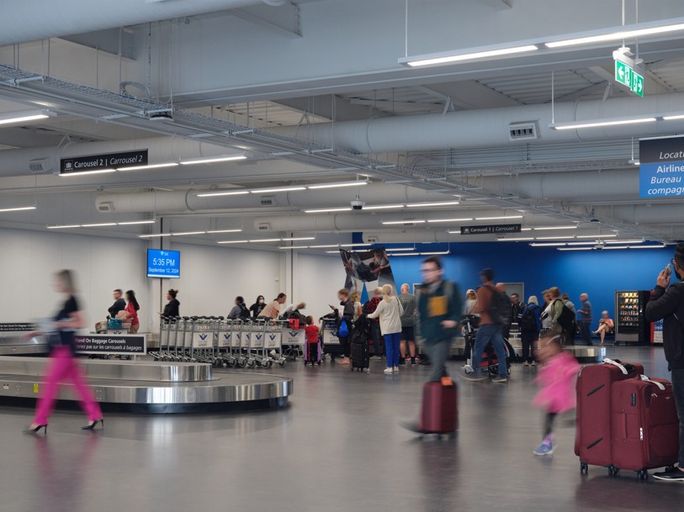
With fewer flights and less congestion, operational bottlenecks are often reduced. (Photo Credit: Region of Waterloo International Airport)
“The biggest misconception about flying from a smaller regional airport is that it is more expensive,” said Wood. “Perhaps this is partially true of the airline fare, but when you factor in the total trip cost, regional airports often come out on top.”
He points to added expenses like parking, ground transportation, hotels and the time required to reach larger airports, factors that can quickly offset any fare difference.
“Delays are often more pronounced at bigger airports… when there is a wrinkle in the operation, the cascading effects often multiply quickly,” he added.
RELATED: Porter Marks Launch of U.S. Preclearance at Billy Bishop
There’s also the perception that smaller airports are less reliable. In many cases, the opposite can be true. With fewer flights and less congestion, operational bottlenecks are often reduced.
Why Supporting Regional Airports Matters
Beyond convenience, there’s a bigger picture at play.
Regional airports are critical infrastructure — not just for travellers, but also for local economies, tourism growth and air connectivity across Canada. When travellers choose to fly from smaller airports, they help sustain routes, attract new carriers and ensure these facilities remain viable.
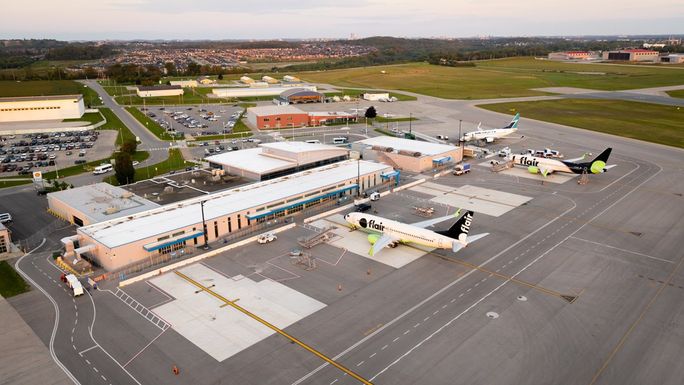
Strong regional airports can ease pressure on major hubs (Photo Credit: Region of Waterloo International Airport)
“It is important that any service that airports are able to secure gets used, and at appropriate fares,” Wood said.
“The airline business is extremely volatile and often operates on very thin margins, requiring airlines to manage costs to ensure their revenues exceed their costs.”
RELATED: Blue Skies Ahead for Hamilton Airport
Without that support, service levels can stagnate or decline, limiting options for both leisure and business travellers.
For the travel industry, this creates a ripple effect. Strong regional airports can ease pressure on major hubs, improve overall network efficiency and open up new opportunities for airlift, particularly in underserved markets.
“The more people who use regional airports, the easier it is to convince airlines to provide more service,” Wood added. “This allows the local airport to invest more in facilities, increasing economic impact and providing more services for the community.”

The smartest upgrade might be a smaller airport. (Photo Credit: Region of Waterloo International Airport)
Planning Still Matters
Even with a smoother airport experience, preparation remains key.
Travellers are encouraged to plan ahead, arrive with time to spare and ensure documents and baggage comply with airline requirements.
RELATED: Halifax Stanfield Opens New International Arrivals Area
It’s advice that applies universally, but at a smaller airport, that extra time is more likely to be spent relaxing than waiting in line.
The Bottom Line
As demand continues to grow, travellers are increasingly seeking ways to simplify their journey—the smartest upgrade might not be a seat, but a smaller airport.
Topics From This Article to Explore


