Greenland has emerged as one of the world's most compelling destinations and is preparing for three new airports to accommodate growing tourism.
The massive island is comprised of four distinct regions—North, South, East and West—each offering unique landscapes, wildlife and cultural experiences as part of a sustainability-focused approach to Arctic exploration.
North Greenland: Land of Polar Legends
The northern territory encompasses the vast Greenland Ice Sheet and the northwestern coast, where Arctic exploration history was made. In 1909, Matthew Henson and Robert Peary, accompanied by Inuit guides, launched their historic push toward the North Pole from these shores, even recovering meteor fragments to fund future expeditions.
This region serves as a prime narwhal habitat in Baffin Bay and offers spectacular aurora borealis viewing above 80 degrees north latitude. The ethereal northern lights have inspired centuries of local folklore, with one naturalist noting that "it only takes a quick look up into the sky to realize why the belief in magic has endured in these latitudes."
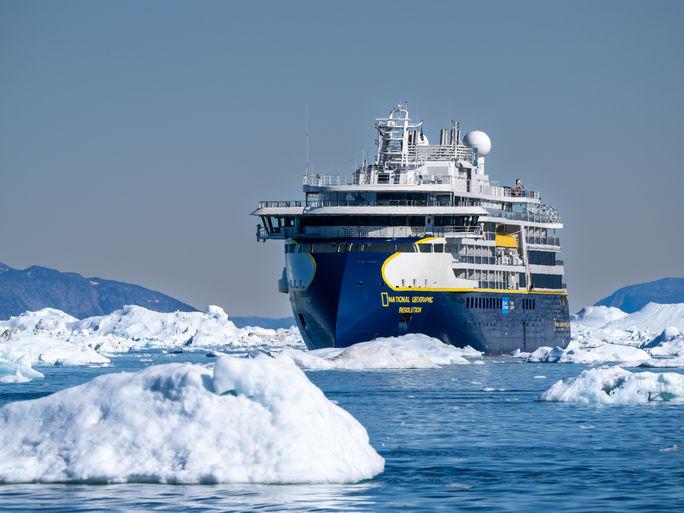
NG Resolution in Greenland (Photo Credit: National Geographic-Lindblad Expeditions)
South Greenland: The Garden of Greenland
Despite its Arctic location, South Greenland surprises visitors with lush landscapes and rich Viking heritage.
The UNESCO-listed Kujataa region features Brattahlíð, Erik the Red's 10th-century homestead complete with turf-covered longhouses and a chapel named for his wife, Tjodhilde.
The region balances pastoral scenes with dramatic glacial features. Turquoise lakes like Skjoldungen Sund reflect massive tidewater glaciers and floating icebergs. The narrow, glacially carved passage of Prins Christian Sund provides breathtaking navigation through towering terrain.
East Greenland: Untamed Wilderness
East Greenland contains Northeast Greenland National Park, the world's largest national park at 375,000 square miles—more than 100 times Yellowstone's size.
This pristine wilderness supports diverse wildlife, including reindeer, muskoxen, walruses, polar bears and Arctic foxes. Birdwatchers can spot year-round residents like ptarmigans and ravens, plus seasonal visitors including barnacle geese and rare gull species.
The massive fjord system around Kangertittivaq ranks among Earth's largest, while nearby Ittoqqortoormiit houses about 300 residents who live by traditional hunting and fishing, often isolated by sea ice.
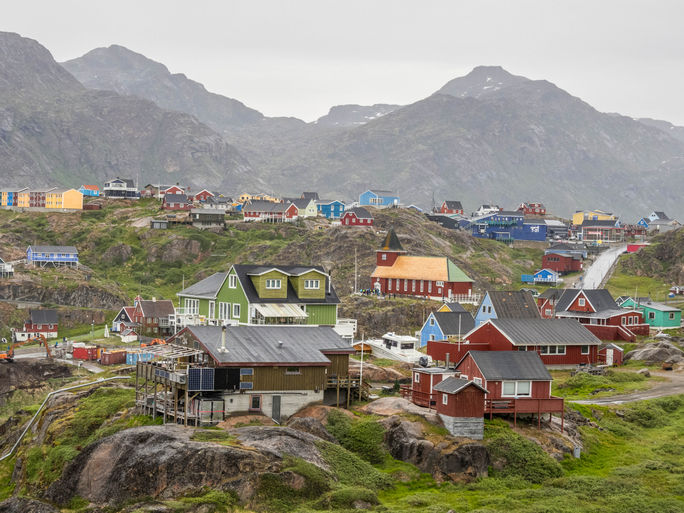
Sisimiut, Greenland (Photo Credit: National Geographic-Lindblad Expeditions)
West Greenland: Culture Meets Ice
West Greenland blends natural wonders with cultural richness. The region showcases the 15th-century Qilakitsoq mummies near Uummannaq and the UNESCO site Aasivissuit-Nipisat, honoring hunting traditions dating to 2500 BC.
The crown jewel remains Ilulissat Icefjord, another UNESCO site featuring the rapidly flowing Jakobshavn Glacier. Visitors can explore panoramic boardwalks, visit the modern Icefjord Centre or boat through Disko Bay among ethereal icebergs and migrating whales.
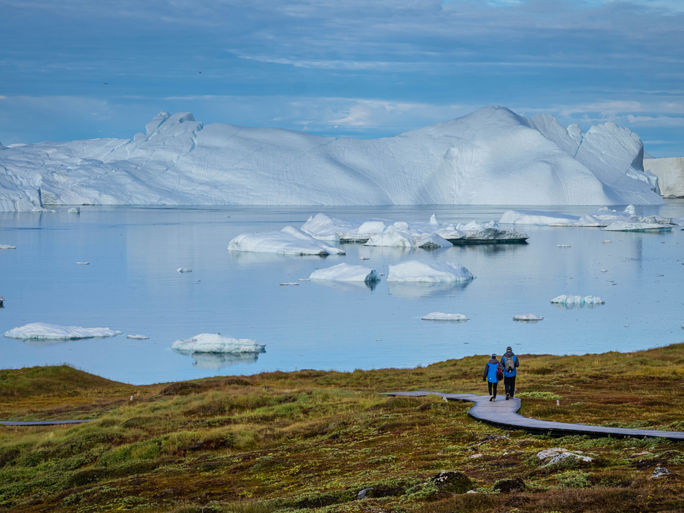
Ilulissat Icefjord (Photo Credit: National Geographic-Lindblad Expeditions)
From mythic northern skies to Viking settlements, remote Arctic wilderness to culturally rich shores, Greenland's regional diversity transforms the question from whether to visit, but rather where to begin.
Topics From This Article to Explore


